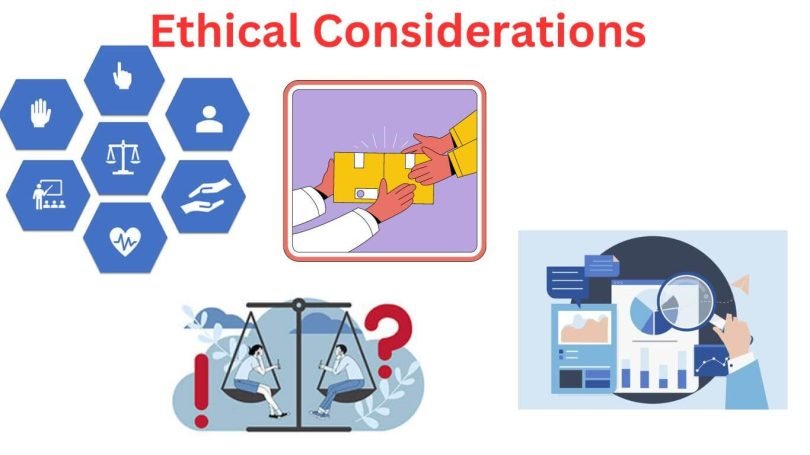
The business world is hurtling forward, driven by an unprecedented pace of technological advancement, interconnected global markets, and an increasingly vocal chorus of stakeholders. In this exhilarating, sometimes dizzying, landscape, one foundational concept is undergoing a profound transformation: ethics. No longer a mere compliance exercise or a dusty policy document, Future Trends & Ethical Considerations are reshaping business from the ground up, moving it from a defensive posture of avoiding penalties to a proactive strategy built on trust, purpose, and long-term value.
This isn't about "doing good" at the expense of profit; it's about recognizing that authentic, embedded ethics is the new engine for sustainable success. It's about designing your organization to thrive in a world that demands integrity, transparency, and accountability at every turn.
At a Glance: What You'll Learn
- Ethics as a Strategic Imperative: Understand why business ethics is shifting from basic compliance to a core operational strategy.
- Key Trends Shaping Tomorrow: Explore the critical ethical shifts impacting ESG, AI, supply chains, leadership, and investment.
- Navigating the Minefield: Identify major ethical challenges like algorithmic bias, data privacy, and ensuring genuine transformation.
- Your Actionable Playbook: Discover practical strategies for embedding ethics into your culture, leadership, and daily operations.
- The Ultimate Payoff: Grasp why trust, built through ethical practice, is your most valuable competitive asset.
The Big Shift: From Compliance Checkbox to Core Strategy
For decades, "business ethics" often conjured images of legal departments, risk assessments, and perhaps an annual training video on avoiding conflicts of interest. The goal was largely to stay out of trouble – to meet minimum legal requirements, avoid fines, and sidestep reputational scandals. But that era is rapidly fading.
Today, business ethics is evolving into a foundational operational strategy. It's about applying moral principles to every decision, every relationship, and every outcome your organization touches. Think of it not as a guardrail, but as a compass guiding how you treat your employees, customers, suppliers, and the planet itself. This profound transformation is fueled by a confluence of factors: the breakneck speed of technological change, the rising expectations of stakeholders, an insistence on leadership accountability, and market forces where access to capital, talent attraction, and unwavering customer loyalty increasingly depend on a demonstrated, authentic ethical commitment.
This isn't just about good PR. It's about survival and thriving in an economy that rewards trust and punishes its absence.
Navigating Tomorrow: Core Ethical Trends Reshaping Business
As we look toward 2025 and beyond, several intertwined ethical trends are not just emerging but becoming deeply embedded in how successful businesses operate.
ESG: More Than an Acronym, It's an Operating System
Environmental, Social, and Governance (ESG) criteria have moved far beyond the realm of niche reporting. They are now integral to strategic planning, operational design, and even procurement. This means sustainability isn't just a "green initiative" managed by one department; it's woven into your supply chain, product lifecycle, and energy consumption. Ethical governance isn't just about board independence; it's about transparent decision-making, equitable executive compensation, and robust whistleblowing protections. ESG is becoming less a checklist and more the underlying operating system for responsible business.
AI as Your Ethical Watchdog (and Blind Spot)
Artificial intelligence and machine learning are rapidly becoming indispensable tools for managing complex operations. In the ethical sphere, this translates to AI-enabled real-time compliance monitoring. Imagine predictive systems that can analyze vast datasets to detect risks, recognize patterns of potential misconduct, and flag concerns before they escalate into full-blown crises. These systems can monitor transactions for fraud, flag anomalous behavior in supply chains, or even identify potential conflicts of interest.
However, this powerful capability comes with significant ethical obligations. While AI can be a potent ethical guardian, it's also prone to algorithmic bias, perpetuating and even amplifying human prejudices if not carefully designed and audited. Ensuring these systems are fair, transparent, and accountable is paramount. To dive deeper into how cutting-edge AI is shaping various industries, you might want to Learn about AI Generative Fill and its implications for creative and operational fields.
The Unseen Threads: Transparent Supply Chain Oversight
Global supply chains are a marvel of modern logistics, but also a crucible for ethical challenges. Maintaining oversight across a sprawling network of direct suppliers and countless subcontractors often feels like chasing shadows. Yet, the demand for transparency is non-negotiable. Consumers want to know where products come from, how they're made, and under what conditions. Regulators are increasingly demanding accountability for labor practices, environmental impact, and anti-corruption measures down to the Nth tier.
Meeting this demand requires sustained coordination, combining advanced technology platforms for tracking and data collection with the indispensable wisdom of human judgment for ethical assessments and on-the-ground audits.
Leaders as Architects of Integrity
While policies and systems are crucial, a truly ethical organization is ultimately built on culture. And culture, as the saying goes, starts at the top. The "tone-from-the-top" is no longer enough; it must be "tone-from-the-middle" and "tone-from-everywhere." Leaders must not just articulate values; they must embody them, modeling principled decisions even when expedient alternatives present themselves. Their accountability and integrity cultivate a normalized environment where ethical behavior is expected, rewarded, and protected.
The Capital Compass: Ethical Investing's Growing Sway
Money talks, and increasingly, it's speaking the language of ethics. Ethical investing, often under the umbrella of impact investing or socially responsible investing, is gaining significant momentum. Capital allocation is no longer purely about financial returns; it increasingly reflects values alignment. Investors, from large institutional funds to individual shareholders, are directing their money towards companies that demonstrate genuine commitment to ESG principles and ethical operations. This creates a powerful market incentive, reinforcing that principled behavior isn't just good for society, it's good for the bottom line.
Beyond Buzzwords: Diversity & Inclusion as Ethical Imperatives
Diversity, equity, and inclusion (DEI) are integral to ethical business practices. Beyond legal compliance, fostering a truly inclusive workplace is an ethical imperative that acknowledges and values the dignity of every individual. But DEI is also a strategic advantage. Diverse teams lead to greater innovation, better decision-making, and a deeper understanding of diverse customer bases. Conversely, a lack of DEI can expose organizations to significant ethical risks, including workplace discrimination, harassment, and an insular culture that stifles dissenting ethical voices.
The Road Ahead: Key Challenges on the Ethical Journey
Embracing these trends is exciting, but the path is not without its significant hurdles. Understanding these challenges is the first step toward overcoming them.
Taming the Algorithm: Bias, Displacement, and Dignity
AI, while a powerful tool, introduces novel ethical dilemmas. Algorithmic bias, often an unintentional reflection of biased training data, can lead to discriminatory outcomes in hiring, lending, or even criminal justice. Beyond bias, the rapid acceleration of AI and automation raises concerns about job displacement and the ethical responsibility of companies towards their workforce. Guardrails are crucial to ensure these technologies serve human dignity and augment human judgment, rather than diminish it.
Global Reach, Local Rules: The Supply Chain Conundrum
Maintaining ethical oversight across complex global supply chains remains a monumental challenge. The sheer number of actors, the varying regulatory frameworks from country to country, and the diverse cultural norms make it incredibly difficult to ensure consistent standards for labor practices, environmental protection, and anti-corruption. Keeping tabs on subcontractors, who may be several tiers removed, compounds this difficulty, requiring sophisticated monitoring and a commitment to continuous engagement.
Closing the Gap: From Policy to Practice in Workplace Equity
Despite clear zero-tolerance policies and widespread awareness, a persistent gap often exists between stated intentions and actual experiences when it comes to workplace equity. Discrimination, harassment, and unconscious bias continue to manifest in subtle and overt ways. Implementing policies is one thing; cultivating a truly equitable and respectful culture where every individual feels safe and valued requires sustained effort, leadership commitment, and robust mechanisms for reporting and redressal.
The Data Labyrinth: Navigating Privacy in a Fragmented World
In an age of big data, privacy is a paramount ethical concern. The proliferation of disparate and evolving data privacy regulations across multiple jurisdictions—think GDPR in Europe, CCPA in California, and countless others emerging globally—creates a complex "data labyrinth" for businesses. Navigating these varied requirements, ensuring user consent is truly informed, and protecting sensitive information from breaches is a continuous, high-stakes ethical and legal challenge.
Authenticity Check: Separating Substance from Show
With the increasing emphasis on ethical performance, there's a growing risk of "performative compliance." This is where organizations invest in glossy reports, publish impressive ESG scores, and make grand pronouncements, but their ethical initiatives don't translate into actual behavior change or deeply embedded values. Distinguishing genuine transformation from mere window dressing—satisfying auditors without truly shifting culture—is a critical challenge for stakeholders, investors, and even employees who demand authentic commitment.
Bridging the Divide: Integrating Ethics into Every Decision
Often, ethics is delegated to specialized functions—a compliance department, a legal team, or an ethics officer. While these roles are vital, a significant implementation gap emerges when ethical considerations are not integrated into routine operational decision-making across all departments. The challenge is to make ethical thinking a default mode for every employee, from product development to sales, rather than an afterthought or a "specialist" issue.
Your Playbook for Ethical Leadership: Practical Strategies for the Future
Facing these trends and challenges head-on requires a deliberate, strategic approach. Here’s how you can build a more ethical, and ultimately more resilient, organization.
Lead by Example: Integrity Starts at the Top
It bears repeating: ethical cultures are cultivated, not commanded. As a leader, your decisions, behaviors, and priorities send the clearest signals. Cultivate ethical cultures by consistently demonstrating integrity, especially when difficult choices arise. If you cut corners, your team will too. If you prioritize short-term gains over long-term values, that message will permeate. Be the role model for principled decisions, even when expedient alternatives exist.
Weaving Ethics into Your Organization's DNA
Ethics should not be confined to a single department or an annual training module. Make it a shared organizational responsibility. Embed ethical considerations into every business process, from product design to marketing campaigns, talent acquisition to financial reporting. This requires continuous education, open dialogue, and mechanisms for employees to voice concerns without fear.
Building a Truly Equitable Workplace
Move beyond basic anti-discrimination policies. Implement systemic solutions to foster equity:
- Audit Tools: Utilize AI-driven tools to reduce bias in hiring, performance reviews, and promotions, but ensure these tools are regularly audited by diverse human teams for fairness.
- Substantive Education: Provide ongoing, nuanced ethics education that goes beyond rules, exploring unconscious biases and fostering empathy.
- Clear Reporting: Establish clear, accessible reporting mechanisms for misconduct with robust, transparent retaliation protections. Psychological safety is paramount here.
Mastering the Global Supply Chain
Proactive management is key to ethical supply chains:
- Regular Audits: Conduct frequent, unannounced audits of direct suppliers and, crucially, their subcontractors.
- Collaborative Partnerships: Foster long-term, collaborative relationships with suppliers who share your ethical commitments, offering support and training rather than just demands.
- Tech + Human Oversight: Leverage technology for real-time tracking of materials and labor conditions, but always combine it with on-the-ground human oversight and verification.
Attracting Values-Driven Capital
The market is increasingly rewarding ethical behavior. Leverage this by transparently demonstrating your ethical commitments and ESG performance to investors. Actively seek out and attract values-based capital that aligns with your principled operations, turning ethical commitment into a financial advantage.
The Ethical Infrastructure: Codes, Safety, and Accountability
Build a robust internal infrastructure that supports ethical behavior:
- Comprehensive Ethics Codes: Develop clear, practical ethics codes that guide decision-making across various scenarios.
- Psychological Safety: Foster an environment where employees feel safe to raise concerns, ask difficult questions, and admit mistakes without fear of retribution. This is the bedrock of a speak-up culture.
- Accountability Structures: Implement clear accountability structures with trusted advisors or ombudsmen who can investigate concerns fairly and impartially.
Show Me the Money: Resource Allocation for Values
Stated values mean little if they aren't backed by resources. Align your budget priorities with your stated ethical values. Invest in ethics and compliance programs, DEI initiatives, sustainable technologies, and fair labor practices comparably to other strategic priorities. This demonstrates a tangible commitment.
Data-Driven Ethics: Monitoring and Course Correction
Just as you use data to track sales or operational efficiency, use it to track ethical performance. Implement compliance dashboards for real-time metrics on areas like policy adherence, training completion, and reported incidents. Conduct regular, independent ethics audits to identify potential breaches, assess program effectiveness, and make necessary corrections.
Vetting Your Partners: Due Diligence Beyond the Basics
Your ethical footprint extends to your third-party relationships. Conduct thorough due diligence on all partners, vendors, and clients, ensuring their ethical standards align with your own. Establish clear contracts that outline compliance expectations, including clauses for ethical breaches, and regularly review these relationships.
Beyond Today: Emerging Ethical Horizons
The ethical landscape continues to evolve, presenting new frontiers for responsible business.
A World United? Harmonizing Global Standards
The fragmentation of regulations, especially in areas like data privacy and environmental standards, creates friction. There's increasing pressure for a degree of global standards harmonization, driving coherent international approaches to data governance, labor practices, and environmental protection. Businesses that anticipate and advocate for these harmonized standards will be ahead of the curve.
The Circular Economy: Ethics in Design and Operations
The shift towards a circular economy—one that emphasizes reuse, repair, and regeneration rather than linear "take-make-dispose" models—is a powerful emerging trend with deep ethical roots. It challenges businesses to redesign operations, products, and supply chains to minimize waste and maximize resource efficiency, moving beyond mere sustainability to truly regenerative practices. This isn't just good for the planet; it's a fundamental re-evaluation of ethical consumption and production.
The Ultimate Advantage: Why Ethics Isn't Optional, It's Everything
Why do these Future Trends & Ethical Considerations matter so profoundly? Because trust, once lost, is incredibly difficult, often impossible, to rebuild. Ethical frameworks create consistency in decision-making, which in turn builds a reputation for reliability and integrity – a strategic asset and a powerful competitive advantage.
Organizations that demonstrate authentic integrity don't just avoid scandal; they attract the best talent, loyal customers, and long-term investors. They foster internal cultures of psychological safety and innovation. They are more resilient in times of crisis because they have a reservoir of trust to draw upon. Ultimately, embedding ethics into the core of your business leads to sustainable success and creates enduring value for all stakeholders.
Your Next Step: Cultivating a Future-Ready Ethical Enterprise
The future of business isn't just about technological prowess or market dominance; it's about ethical leadership. The question isn't whether your business can afford to be ethical, but whether it can afford not to be.
Your next step is to initiate a holistic review of your organization's ethical posture. Assess where your current practices align with these future trends and where gaps exist. Engage your leadership, empower your teams, and commit to embedding ethics not as a side project, but as the central pillar of your strategy. By doing so, you'll not only navigate the complexities of tomorrow's business world but actively shape a more trustworthy, resilient, and successful future for your enterprise.